Let's start here: surgery changes your body
Pelvic surgery, whether it's a hysterectomy, C-section, endometriosis removal, or fibroids treatment, rewires your nervous system. The incision itself heals, but the nerves that carry sensation to your clitoris and vulva often take months to fully regenerate. Scar tissue can block or redirect nerve signals. Inflammation persists longer than you'd expect. And here's the part nobody tells you: the longer you avoid sensation during recovery, the harder it gets to rebuild it.
That's where lemon vibrators come in. They're not just toys. They're a clinical tool for retraining your nervous system to recognize pleasure again.
How pelvic surgery interrupts sensation
Your clitoris has about 8,000 nerve endings, many of which branch from the pudendal nerve. When a surgeon operates anywhere in your pelvic cavity, even if they're not directly touching that nerve, they're creating inflammation and swelling that press on it. Think of it like standing on a garden hose. The water still flows, but it's reduced to a trickle.
Tissue trauma also triggers something called neuropathic pain or numbness. Your brain gets confused signals for weeks or months. Some people report that touching their vulva feels like touching a stranger's leg. Not painful, exactly. Just... disconnected.
The good news: this changes. Your nervous system is plastic, meaning it rewires itself. But it needs input to do that.
Why sensation rebuilding matters
Most recovery guides focus on scar tissue massage and pelvic floor rehab, which are essential. But they often skip the pleasure part, treating it as optional or frivolous. That's wrong. Reawakening sensation isn't vanity. It's a measurable indicator that your nervous system is healing.
Studies on pelvic floor physical therapy show that patients who engage in gentle self-touch and low-intensity vibration during recovery report faster improvement in both pain resolution and pleasure capacity. You're not forcing anything. You're gently reminding your body that sensation exists.
Why lemon vibrators work better than hands alone
Your hand is wonderful, but it's passive from your body's perspective. When you touch yourself, your nervous system expects it. There's no surprise element.
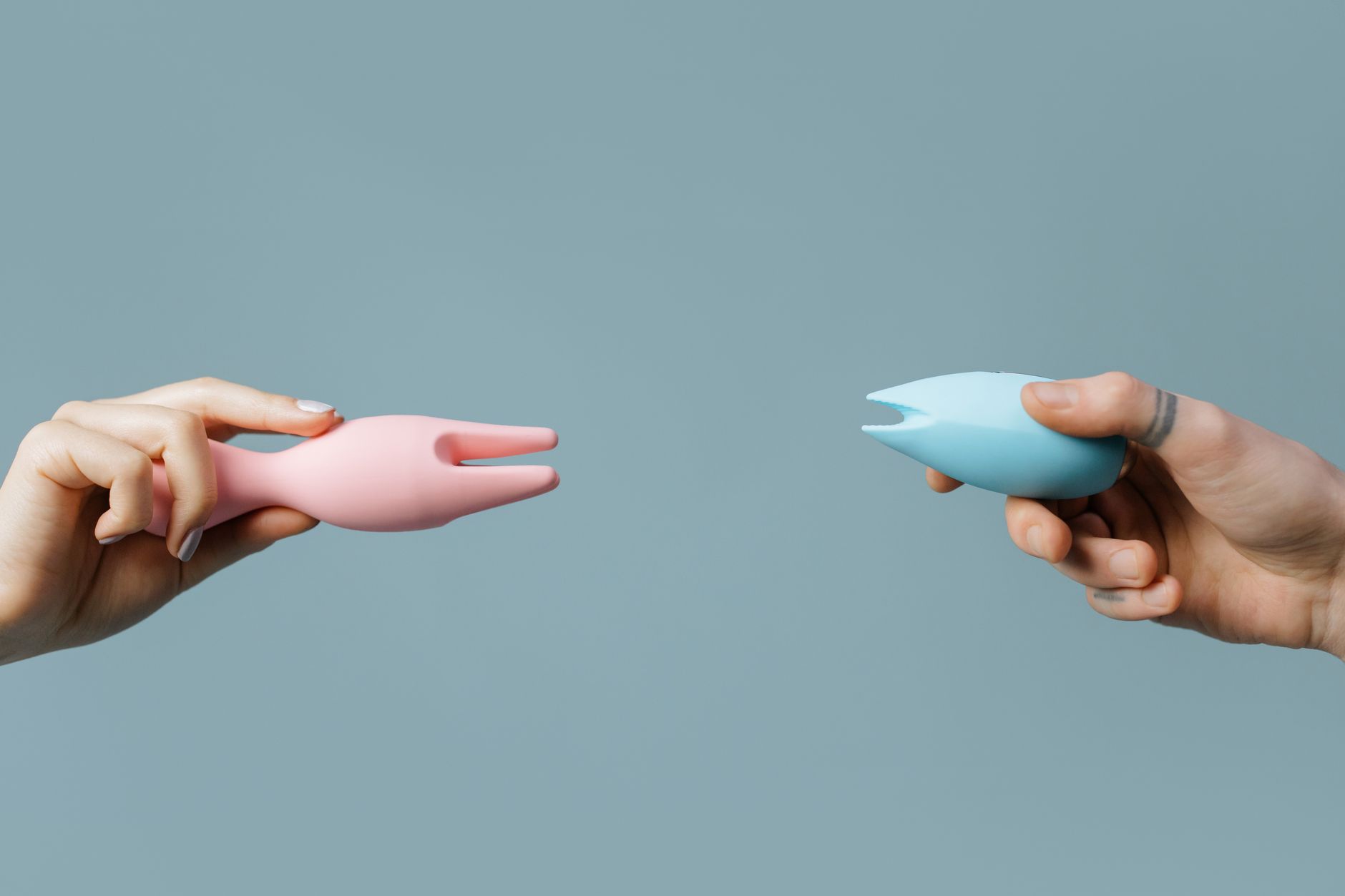
Vibration is different. The rapid, consistent stimulation activates nerve fibers that dormant scar tissue has suppressed. The frequency bypasses the protective numbness your brain created during healing. A lemon clitoral vibrator does this without the pressure of manual stimulation, which can feel too intense on freshly healed tissue.
The suction-based design of toys like the Lemon is particularly valuable after pelvic surgery because it creates gentle pressure and release without direct friction. For someone six weeks to six months post-op, that's the difference between pleasure feeling possible and feeling like a chore.
The timeline: when to start
Don't begin immediately. Your surgeon's clearance is the floor, not the ceiling. Most gynecologists say you can resume sexual activity at 6 weeks post-op if bleeding has stopped and pain is minimal. That doesn't mean vibrators. That means your tissues are stable enough to begin very gentle exploration.
Here's a realistic timeline:
Weeks 0-6: Healing phase. No vibrators. Focus on scar tissue care and pelvic floor work if your therapist recommends it.
Weeks 6-12: Introduction phase. If your surgeon gives the okay and pain is absent (not just reduced, absent), start with the lowest setting of a lemon vibrator for 2-3 minutes, once a week. The goal isn't orgasm. It's sensation recognition.
Weeks 12+: Progressive phase. Increase frequency and duration as comfort grows. By 12-16 weeks for most people, pleasure starts returning.
Every person heals differently. Endometriosis removal involves more tissue damage than a simple fibroid removal. A C-section impacts different nerves than a hysterectomy. Your timeline might be longer. That's normal.
How to use lemon vibrators safely during recovery
Four practical rules:
Start absurdly low. The lowest setting on most clitoral vibrators feels intense enough for early recovery. You're not trying to reach orgasm. You're rewaking nerve pathways. Resist the urge to turn it up.
Stop at the first sign of pain. Not discomfort. Not strangeness. Pain. If you feel sharp, shooting, or localized pain, stop. You've hit a sensitive scar area or an inflamed nerve. Tell your surgeon if it persists.
Use water-based lubricant. Post-surgical tissue is often drier than baseline. Lubrication reduces friction on fragile tissue and makes vibration feel more pleasant than jarring.
Keep sessions short. Five to ten minutes is plenty. Longer isn't better. Your nervous system needs time to integrate the signals.
When to involve your partner
If you're in a relationship, this is a conversation starter, not a conversation ender. Many partners feel helpless during recovery. Showing them that you're gently reintroducing pleasure can actually strengthen connection.
But do this on your timeline. There's no obligation to include them early. Solo exploration during recovery is completely fine and often easier because you can stop instantly without explaining yourself.
If your partner is pushing for sex before you're ready, that's a separate conversation about respect and consent. Your pleasure comeback is yours to own.
The sensations you might notice
Early on, vibration might feel:
Weird but not bad. Like a vibration that doesn't belong to your body yet. That's normal.
Uneven. One side feels more sensation than the other. This usually resolves as inflammation decreases.
Numbing at first, then slowly warming. As you introduce vibration consistently, the numbness gradually lifts.
Intensifying week to week. This is the sign you're looking for. By week four or five of regular (weekly) sessions, most people notice sensation sharpening.
Pain or sharp nerve sensations. Stop. See your surgeon. This means you've hit a nerve point that needs more time.
When to see a specialist
If pain persists beyond 8-10 weeks post-op, contact your surgeon. Nerve pain after surgery is real and treatable, often with topical treatments or physical therapy adjustments.
If sensation isn't returning by 12-16 weeks and you've been consistent with gentle vibrator use, ask for a referral to a pelvic floor physical therapist. They can assess whether scar tissue or nerve damage is the limiting factor and adjust your approach.
If pleasure feels completely absent at six months, mention it to your doctor. Hormonal changes from surgery can affect arousal, and that's addressable.
The bigger picture
Pelvic surgery is invasive. Your body needs time and patience. Introducing lemon vibrators as a recovery tool isn't rushing back to sex. It's actively rewiring your nervous system so pleasure becomes possible again, not something you're chasing but can't catch.
Most people who approach this systematically report that their pleasure capacity returns fully by 6-9 months post-op. Some report it's even richer than before, partly because they've reconnected with their body intentionally instead of on autopilot.
Your recovery matters. Your pleasure matters. These aren't separate things.
Frequently asked questions
How long after pelvic surgery can I use a lemon vibrator?
Wait for full surgeon clearance, typically 6 weeks. Even then, wait an additional 2-4 weeks before introducing gentle vibration unless your doctor specifically recommends it. The timeline varies by surgery type. A minimally invasive laparoscopy heals faster than open surgery. Start conservative. You can always increase sooner, but you can't undo pushing too hard.
Will using a vibrator delay my healing?
No. Gentle vibration during the appropriate recovery phase actually supports healing by improving blood flow and rewaking nerve pathways. The key word is gentle. High-intensity stimulation or orgasm before tissue is ready can cause complications. Low-intensity vibration at the right timeline supports recovery.
Can I use a lemon clitoral vibrator if I have scar tissue from surgery?
Yes, and it's often helpful. Scar tissue can trap nerve signals, making sensation feel blocked. Gentle vibration helps desensitize protective pain responses your nervous system created around the scar. Start low and progress slowly. If vibration over the scar area causes sharp pain, avoid that area for now and work on adjacent tissue instead.
What if orgasm is painful during recovery?
Pelvic contractions during orgasm can irritate healing tissue. If you're attempting orgasm too soon or too intensely, back off. Return to shorter sessions at lower settings. Most people can safely experience orgasm by 12-16 weeks post-op. Pushing for it earlier increases pain and delays your overall recovery timeline.
Is it normal to feel numb with a lemon vibrator after surgery?
Completely normal. Numbness is your nervous system's protective response to trauma. Consistent, gentle vibration gradually lifts this numbness. It usually takes 4-8 weeks of weekly or biweekly sessions to notice significant change. If numbness persists beyond 12 weeks despite consistent use, talk to your surgeon about nerve involvement.
Can I use lemon vibrators if I'm still taking pain medication?
Yes. Pain medication doesn't prevent healing. However, pain meds can mask sharp warning signals that tell you to stop. Be extra cautious about intensity and duration when taking opioids. Let sensation guide you, not pleasure goals.
The path forward
Recovery isn't linear. Some weeks feel like huge progress. Other weeks feel stalled. That's the nature of nervous system healing. Introducing lemon vibrators as a deliberate recovery tool gives you agency in the process. You're not waiting passively. You're actively rewiring your body to recognize pleasure again.
If you have questions about your specific recovery or whether vibrators are right for your situation, reach out to your surgeon or a pelvic floor specialist. And if you're ready to explore, start low, stay patient, and trust that your body knows how to heal.